All black is the most-worn outfit in Britain and the one most likely to be described as safe. It is genuinely useful — it is quick, it is smart enough for most rooms, and nothing clashes.
It also fails in two specific ways, and both are fixable.
Failure one: black goes flat
Black absorbs light, which means it destroys detail. A beautifully cut black jacket and a cheap one look far more similar than the same two jackets in grey, because in black you cannot see the seams, the drape or the shape.
The consequence is that an all-black outfit made of similar fabrics reads as one dark mass with a head on top. Nothing is wrong with any individual item; the outfit simply has no information in it.
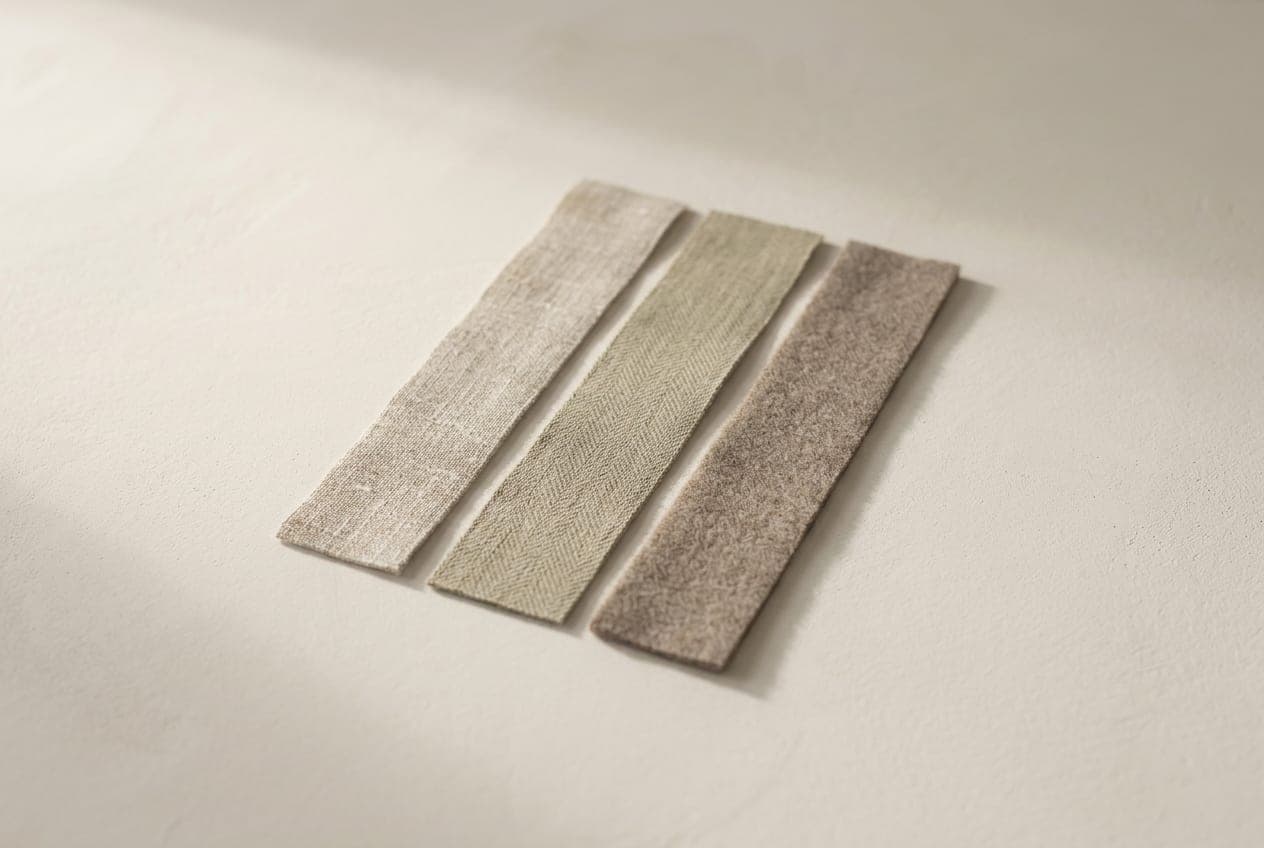
The fix is texture, not colour. Black is not one thing — it is matte, shine, nap, weave and pile, and those differences remain visible when colour differences do not.
- Wool against leather
- A ribbed knit against a smooth trouser
- Suede against denim
- Matte against a slight sheen
Two or three different textures in the same black is the entire difference between an all-black outfit that looks deliberate and one that looks like a uniform. It is also why the same outfit photographs so much better in daylight than under a flat indoor light.
Failure two: black does not suit most faces
This is the harder one. Black is genuinely flattering next to the face for Winters — roughly a quarter of people — and for everyone else it casts a shadow, deepens shade under the eyes and drains warmth.
That does not mean the rest of us should not wear it. It means black should be moved away from the face.
| If black does not suit you | Do this |
|---|---|
| You want an all-dark outfit | Use your own darkest neutral — espresso, charcoal, ink navy |
| You want to keep the black trousers | Keep them. Below the waist it is close to harmless |
| You want the black coat | Put a scarf in your colour between it and your chin |
| You want black near your face anyway | Break it with a lighter layer at the neckline |
The scarf point is worth emphasising because it costs nothing and does most of the work. Almost all of black's effect happens in the few inches under the chin. Interrupt that and the rest of the outfit can be as black as you like.
Not all blacks are the same black
Once you start looking, black divides.
Cool black has a blue or grey cast and is what most people picture. Warm black leans slightly brown or green. Faded black is a washed-out charcoal that used to be black, and it is the one that makes an outfit look tired more than any other single factor.
Mixing a true black with a faded one is the most common way an all-black outfit goes wrong, and it is invisible in a mirror indoors and obvious in daylight. If you are wearing several black pieces, check them together by a window before leaving.
Faded black is also mostly preventable — washing inside out, cold, and less often is the bulk of it.
Where to put the one non-black thing
An all-black outfit is improved by exactly one thing that is not black, and where you put it decides what the outfit says.
- At the neck — a scarf or a collar — flatters the face and is the best option if black does not suit you.
- At the feet or the hand — a shoe or a bag — keeps the outfit severe and reads as more fashion-conscious.
- A metal — jewellery, hardware, a watch — is the subtlest, and the choice between silver and gold should follow your colouring rather than habit.
One is the number. Two competing accents and the discipline that made the outfit work is gone.
When all black is the right answer
It genuinely is the right answer sometimes: when you need to not think, when the setting is formal and unfamiliar, when you are carrying equipment or working, and when you want to be unremarkable in a room.
The point is not to talk anyone out of it. It is that the version with three textures and one accent takes the same thirty seconds as the version without, and looks like a decision rather than a default.
If you do not know which dark neutral is genuinely yours, the colour hub covers it and the free quiz gets you to a season in two questions.