The journal
The things DUPI does every day, written down — and how it's made.
Buying well
Yes — and the reason why is worth understanding, because it is also the line between a dupe and a counterfeit.
One is a legitimate product that looks similar. The other is a lie about who made something. Six ways to tell which you are looking at.
Nine things a photograph tells you about a garment, if you know where to look.
The formula is easy and usually misused. What it is good for, and the three ways it lies to you.
An honest answer from a company that finds them for a living.
Menswear
The vaguest instruction in the language. What it means by context, and the three-part formula that works everywhere.
Colour
Going grey usually changes your colour season. What actually shifts, and what to do about it.
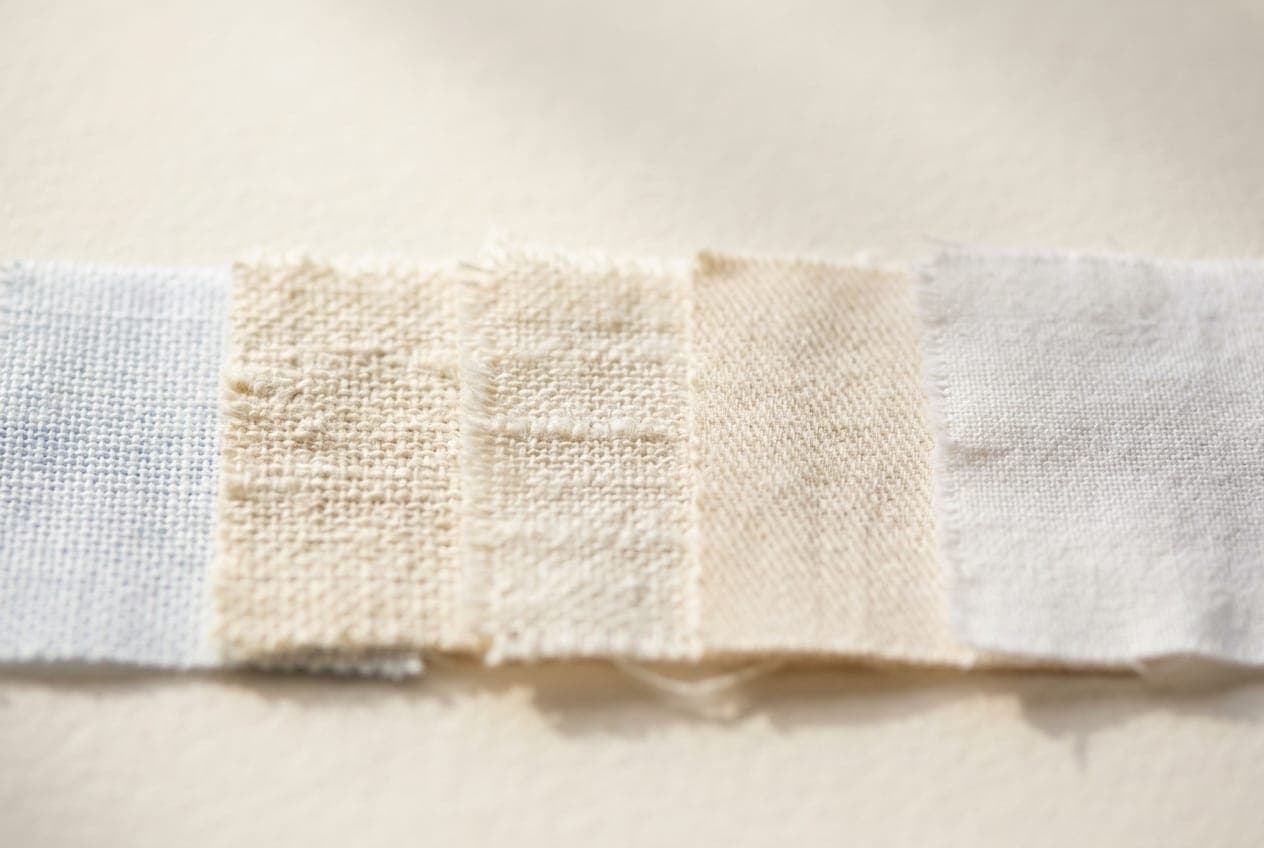
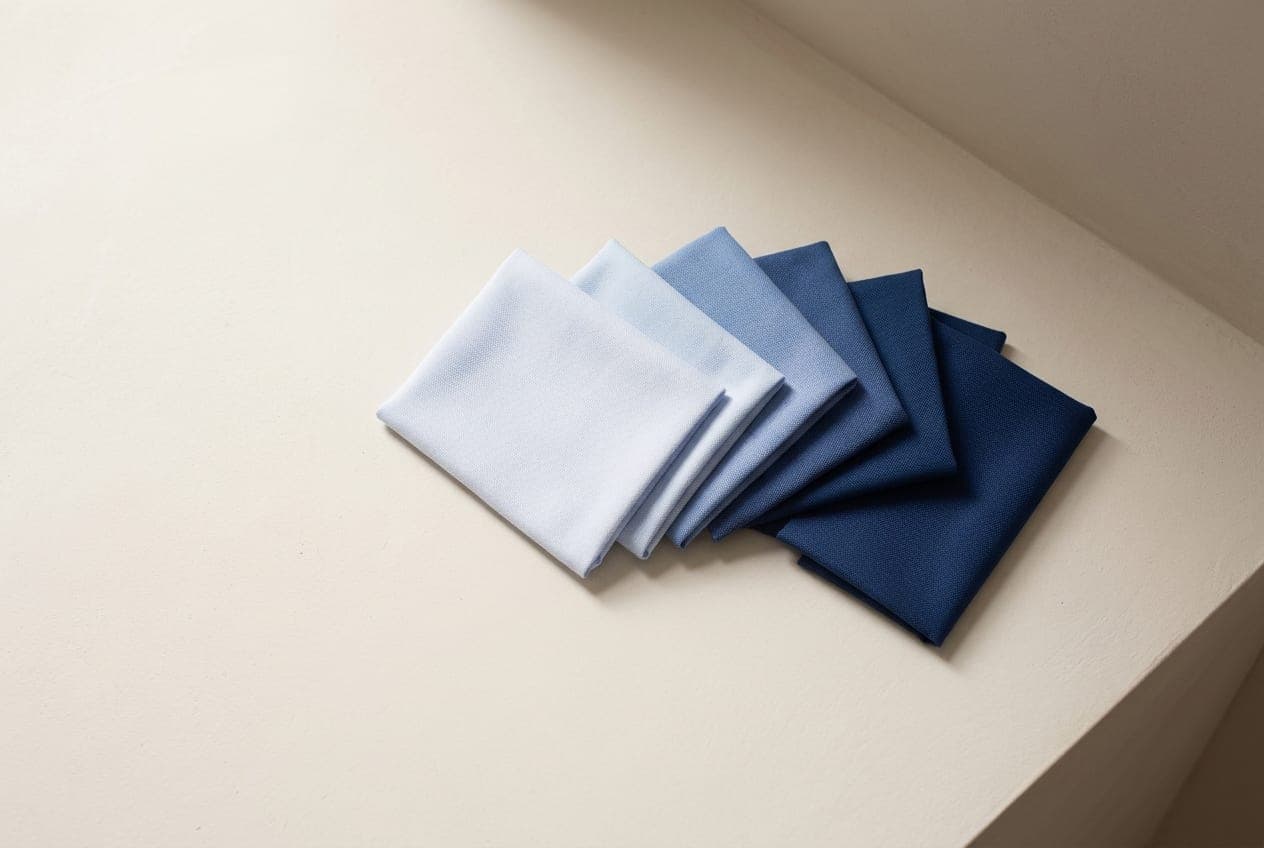
Optic, ivory, cream, ecru and oyster are five different colours, and only some of them suit you.
Fabric & care
Five checks you can do at a rail in under a minute, none of which are the composition label.
Fit & sizing
Judge the waist and the seat first. The leg is a style choice; those two are not.
It has to work over a jumper, and that one requirement changes every other measurement.
A fairer answer than the internet usually gives. Where it genuinely outperforms natural fibres, and where it lets you down.
Six checks, in order of how hard they are to alter. Get the first one wrong and nothing else matters.
Six measurements, taken properly, once. Then stop guessing sizes forever.
Sleeve length, rise and hem are the obvious problems. Armhole depth and knee position are the ones that actually ruin garments.
Petite is a set of measurements, not a size. What the cut changes, and what to do when it is not offered.
Not a shape category. Where your waist sits, how long your torso is, and what that changes about hemlines.
There is no standard, there never was, and the number on the label is a marketing decision. What to use instead.
Four methods ranked by how much damage they do, and why some jumpers bobble and others never will.
Hand washing is not only safe, it is better than dry cleaning. The method, and the three things that ruin a jumper.
Five methods that work, ranked by speed — and the fabrics where none of them will.
Fold, clean, dark, dry and breathable. Five rules that decide whether a jumper survives the summer.
Why they go baggy by lunchtime, which fabrics do it, and how to get the shape back without a hot wash.
Two neutrals, one metal, and a shoe count. A packing method rather than a packing list.
Occasion dressing at its most disposable. How to get one that works and comes out again in March.
Dress codes vary by enclosure and by meeting. What is actually enforced, and what is only convention.
One level above the room, in something you have already worn. The rest is detail.
What the invitation actually means, what it never says out loud, and how to get it right without buying something you wear once.
Six answers, ranked by how often they work — and the one everybody reaches for that rarely does.
Brown is a colour, not a neutral — which is why it is harder to place than black. A working method.
A method for using colour deliberately when most of what you own is neutral.
The most useful coat colour there is, and the three combinations that make it look expensive.
The trousers are the easy part. Everything above the waist is where it goes wrong.
A method that works whether the original is in a shop window, a screenshot or on someone walking past you.
Shoe sizing is the least consistent thing in fashion. How to measure properly, read the shape, and cut the return rate.
Relaxed, boxy, slim, oversized, cropped. What each one actually means for the measurements, and which ones are warnings.
Three fibres that look the same on a label and behave very differently on the body. What separates them, and which to buy for what.
The little percentage list tells you how a garment will drape, wear and wash. Here is how to read it before you buy, not after.
Same physiology, same four seasons, different application. Why it matters more in menswear, not less.
The two most-confused sub-seasons in the whole system. Both cool, both gentle — and they want different things from your wardrobe.
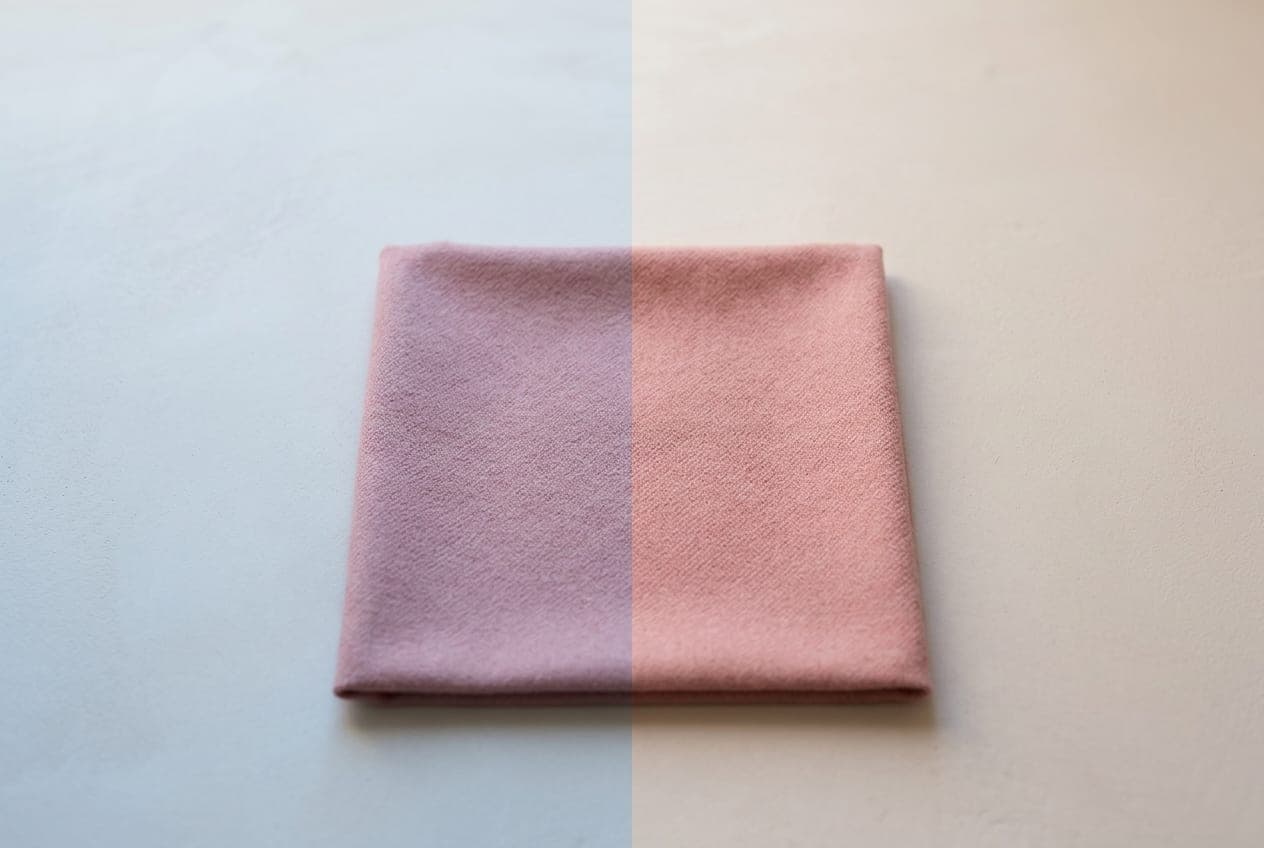
What a camera reads reliably, what it gets wrong, and how to take a photograph that gives an honest result.
Most capsule advice starts with the garments. Start with two neutrals and a metal instead, and the rest stops being a decision.
Studio sessions, draping, online consultations and app-based reads — what each one costs, and what you actually get for the money.
Undertone is the one thing about your colouring that never changes. Four ways to read it in daylight, and why the vein test keeps getting it wrong.
The four seasons, the twelve sub-seasons, and three daylight tests that get you to yours without paying anyone.
Colours and prices that suit you.
That part lives in the app. Three scans a month, free, with real prices on every result.