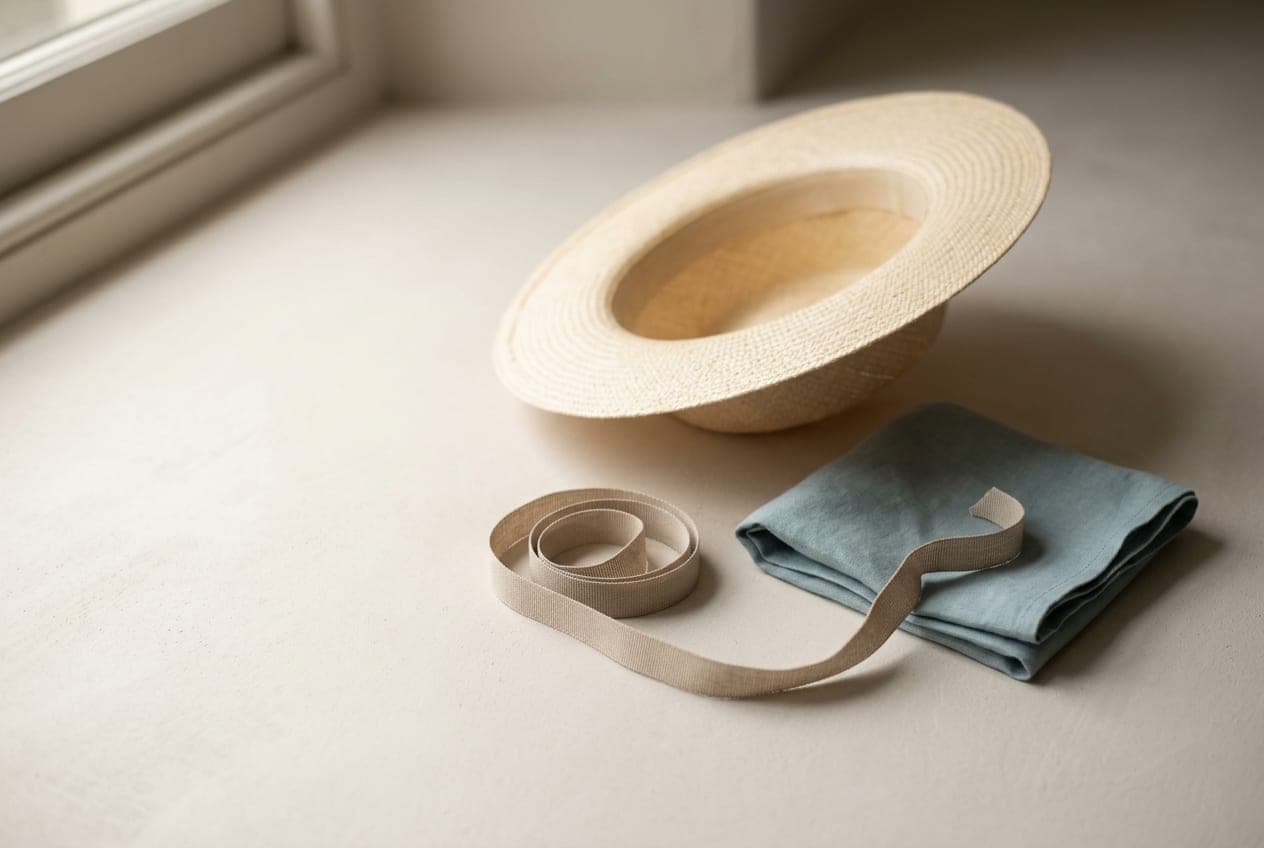
Race day dressing has a reputation for being stricter than it is, and the strictness is unevenly distributed. Some rules are enforced at the gate. Most are convention.
The rules depend on two things: which racecourse, and which enclosure. Always check the specific meeting, because they genuinely differ and they change.
What tends to be enforced
At the more formal enclosures of the bigger summer meetings, expect actual enforcement of:
- A hat, headpiece or fascinator for women, sometimes with a minimum base size
- A dress or skirt of a stated length, commonly to or just above the knee
- Straps of a stated width, with strapless and sheer straps often not permitted
- A full-length suit with a collar and tie for men, jacket kept on
- No exposed midriff
Less formal enclosures at the same meeting are usually far more relaxed, and winter jump racing is more relaxed again — the dress code at a cold February meeting is essentially warm and smart.
What is convention rather than rule
- Matching the hat exactly to the outfit. Not required, and often looks better when it does not
- Very high heels. Common, and a poor decision on grass for eight hours
- Buying something new each time. Widely assumed, not remotely required
The practical problems nobody mentions
Grass, all day. You will be standing and walking on uneven ground for hours. A block heel or a wedge is the sensible answer. A stiletto sinks, and the walk from the car park is longer than you expect.
British weather, in a hat. Rain is likely, wind more so. A hat that needs holding will be held all day. Check it stays on in a breeze before you commit, and take a proper coat that works with the outfit rather than over it.
Standing for eight hours. Whatever you wear, you will be in it far longer than for a wedding, and mostly upright.
Making it wearable again
The same trap as a wedding: an outfit bought for one day that never comes out again.
The fix is to make the hat the occasion and the outfit ordinary. A headpiece is unmistakably race day; a good dress in a colour that suits you is not, and it will work all summer. That is a far better allocation of the budget than a dress you cannot wear twice.
Choose the dress from your own palette rather than from what is in the shops that week — your colours has them, and the free quiz takes two questions. Race day is photographed heavily, which makes it exactly the occasion where a colour that suits you pays off.
For men
The formal enclosures want a full suit, collar and tie, and the jacket stays on. Beyond that:
- A lighter suit for summer meetings, both for heat and for how it photographs
- Shoes you can walk on grass in for a day
- A tie you can wear again, rather than a novelty one
Colour analysis for men covers which shirt and tie colours suit you, which is where most of the visible difference sits.
The short version
Check the specific enclosure, get a hat that stays on, wear a heel you can stand in on grass for eight hours, and put the money into a headpiece rather than a single-use dress.