Shoes are the hardest thing to buy online, and the reason is structural: there is no single agreed standard behind a UK size. A 7 is a 7 in the sense that a large is a large.
You can get the odds down a long way with about ten minutes of preparation.
Measure your feet properly, once
Do it once, write it down, and stop guessing forever.
- Do it in the late afternoon or evening. Feet swell over a day, by up to half a size. A shoe fitted first thing will be tight by six.
- Stand on a sheet of paper against a wall, heel touching the skirting, wearing the sock thickness you will actually wear.
- Mark the tip of your longest toe. That is not always the big toe.
- Measure heel to mark in millimetres.
- Do both feet. Most people have a mismatch, sometimes a noticeable one. Buy for the larger foot.
- Measure the width too — the widest part of the ball of the foot, straight across.
Length plus width in millimetres is a fact you can check against any size chart, from any country, for the rest of your life.
Read the shape, not just the size
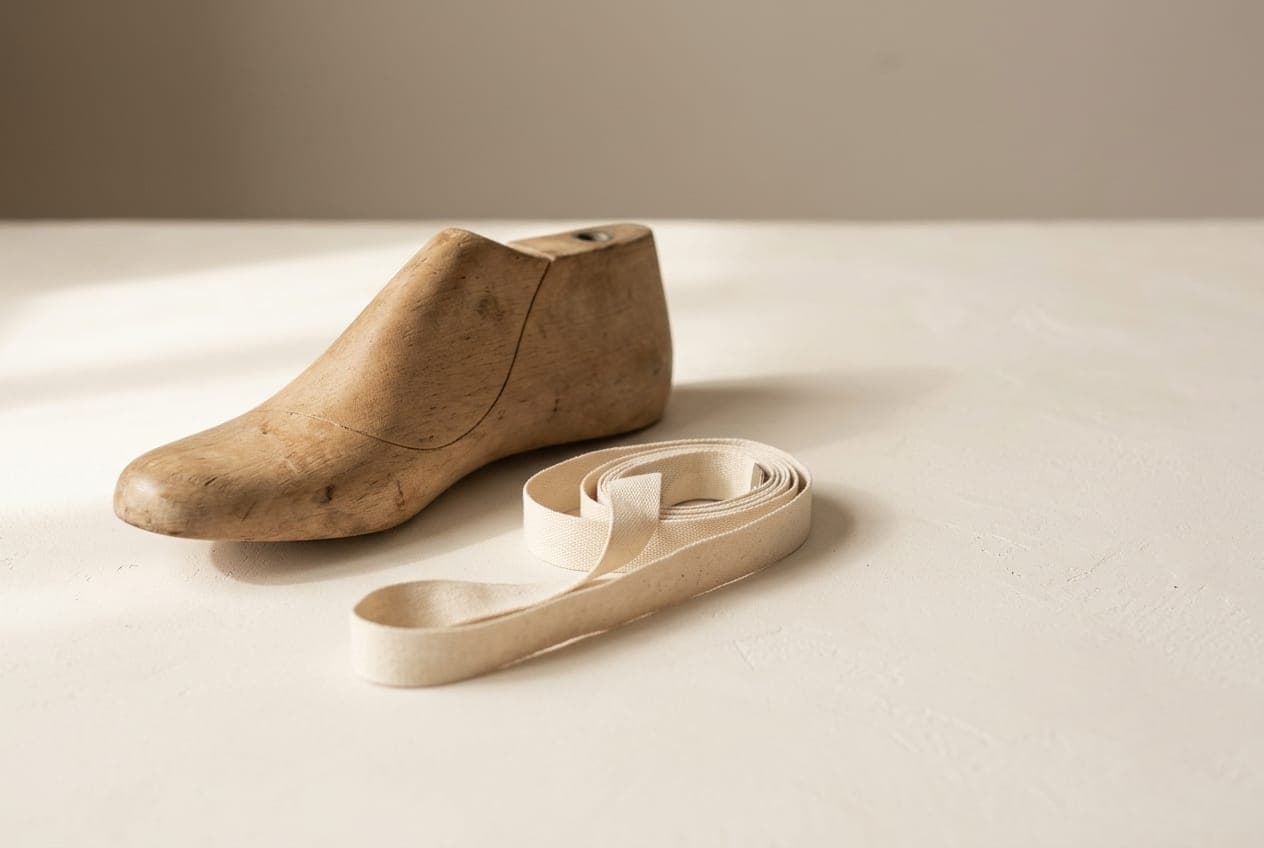
Two shoes in the same size fit completely differently depending on the last — the form the shoe was built around. You cannot see the last, but you can read it from the photograph.
- Pointed toe — expect to need up to a full size more in length. The point is beyond your toes, not around them. The fit happens at the ball of the foot.
- Almond toe — the most forgiving shape for most feet. Usually true to size.
- Square or round toe — roomier across the toes. Often true to size, sometimes generous.
- Very narrow heel cup — a common cause of slipping at the back even when the length is right.
Look at the shoe from directly above if the retailer gives you that angle. A narrow, straight silhouette means a narrow last regardless of what the size chart says.
Materials decide whether it forgives you
This matters more than most people expect.
- Unlined leather and suede stretch and mould to the foot. A shoe that is slightly snug across the width will usually become comfortable. Slightly short will not.
- Patent, synthetic uppers and anything coated do not stretch meaningfully. What you get is what you have.
- Elastic panels and adjustable straps absorb a lot of variation and are the safest bet when you are unsure.
The rule that follows: never buy short on the assumption that it will give. Length does not stretch. Width sometimes does, and only in leather or suede.
The signals worth trusting
- Reviews mentioning sizing. By far the most valuable information on the page. If several people independently say a shoe runs small, believe them over the size chart.
- A brand size guide in millimetres. Rare and worth a great deal when it exists.
- Nothing at all about fit. Treat silence as a mild warning and order accordingly.
Cutting the cost of getting it wrong
A few practical habits.
Order one size only if the retailer has a reliable chart and reviews are quiet on sizing. Order two sizes if the shoe is pointed, expensive or from a retailer you have not bought from before, and return one — assuming free returns, which is worth checking before rather than after.
Try them on indoors, on carpet, in the evening, with the right socks. Walk on hard flooring only once you are sure, because the sole will mark and that ends the return.
And check the returns window before ordering, not after it has closed.
Where a lower price changes the calculation
When you find the same shape at a friendlier price, the sizing risk goes up rather than down — you are usually buying from a retailer you know less well, with a size chart you have not calibrated against.
Two things make that manageable. Prefer leather or suede over coated synthetics when the price gap is small, because a forgiving material absorbs a sizing mistake. And check the returns policy first, since a cheaper shoe with paid returns can easily work out dearer than the alternative once you have sent one pair back.
More on reading a product page honestly in the fit words retailers use, translated.