Colour analysis has gone from a niche service to something with a genuine price range, and the range is wide. Here is what the UK market looks like, and where the money goes.
The going rates
Prices vary by city and by how established the analyst is, but the shape of the market is fairly consistent.
- In-person studio session — typically £150 to £400. One to two hours, physical fabric draping, usually a printed or digital palette to take away. London sits at the top of that range.
- Group session — typically £60 to £120 a head. The same draping, run for three or four people at once. Cheaper, faster, and less time on your particular borderline cases.
- Online consultation with a human — typically £40 to £150. You send controlled photographs, an analyst reviews them and returns a written result. No physical draping.
- App-based read — free to a few pounds a month. Software reads a photograph and returns a season or sub-season.
What you are paying for in a studio
The honest case for the expensive option is draping, and it is a real one.
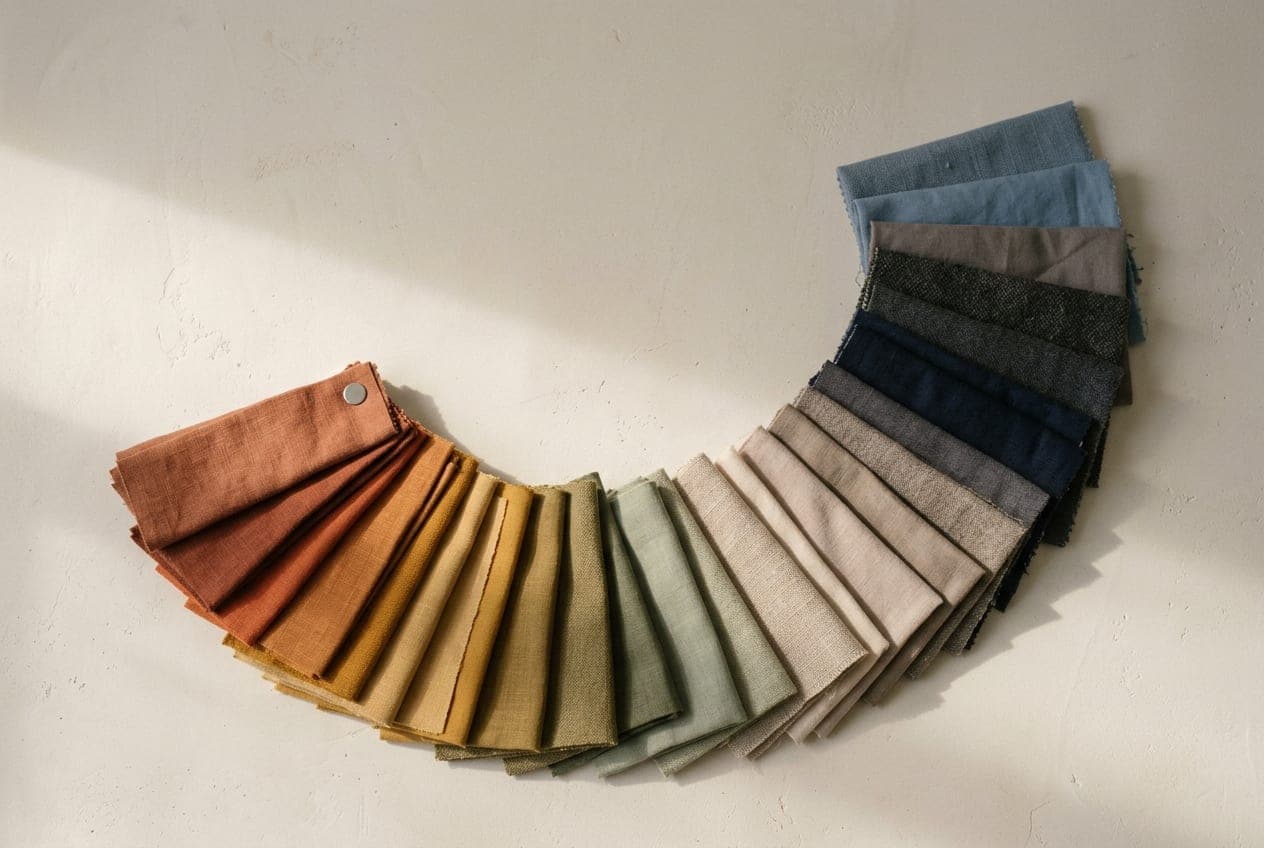
An analyst puts dozens of fabrics against your face under controlled light and watches what happens to your skin, your eyes and the shadows under your jaw. That comparison — fabric against fabric, in sequence, on you — is more information than any single photograph carries. A good analyst is also reading things that are hard to describe and harder to self-report: whether your colouring can take contrast, where it starts to break down, how far a borderline case leans.
You are also paying for a decision made by someone with no stake in what you buy afterwards.
What you are paying for online
A remote human consultation is mostly the analyst's judgement without the controlled room. That is a meaningful loss — photographs carry their own colour cast, and the analyst is working from what your camera and your window gave them.
Done well, with several photographs in specified conditions, it lands close to a studio result for most people. Done badly, from one selfie in a warm-lit kitchen, it is guesswork with an invoice attached.
What an app can and cannot do
Software reading a photograph is fast, repeatable and cheap, and it is genuinely good at the measurable parts: relative warmth, overall depth, the contrast between your hair, skin and eyes. Those are the attributes that place you among the twelve sub-seasons.
What it does not give you is a person watching your face change as the twentieth drape goes on. If you are a clear case, the difference rarely matters. If you sit on a border, a good analyst still beats a good algorithm.
DUPI does the app version, reads one photograph and returns one of twelve sub-seasons, then searches real shops for things in that palette. That last part is the bit a studio session does not do at all.
Is it worth the money
Depends entirely on what you would otherwise spend on clothes that do not work.
A £250 session is expensive in isolation and cheap against a wardrobe of near-misses. The people who get most out of it are those about to spend seriously — a new work wardrobe, a wedding, a wholesale clear-out. The people who get least are those who will file the palette card and carry on buying what they always bought.
A reasonable sequence, if you are unsure:
- Run the free quiz and get to one of four seasons at no cost.
- Live with the palette for a month. Buy nothing. Notice whether people comment.
- If it holds up and you want the detail, pay for the read.
That way the expensive step confirms something rather than starting from nothing.
Reading the market honestly
Two things worth knowing before you book.
Colour analysis is unregulated in the UK. Anyone can offer it, and price does not reliably signal training. Ask what system the analyst uses, how long they have been doing it, and whether you get a physical palette.
And a result should come with reasoning. If you are told you are a Deep Autumn and cannot get an explanation of why you are not a Deep Winter, you have bought a label rather than an analysis. Every sub-season page here sets out how to tell it from its neighbours, for exactly that reason.