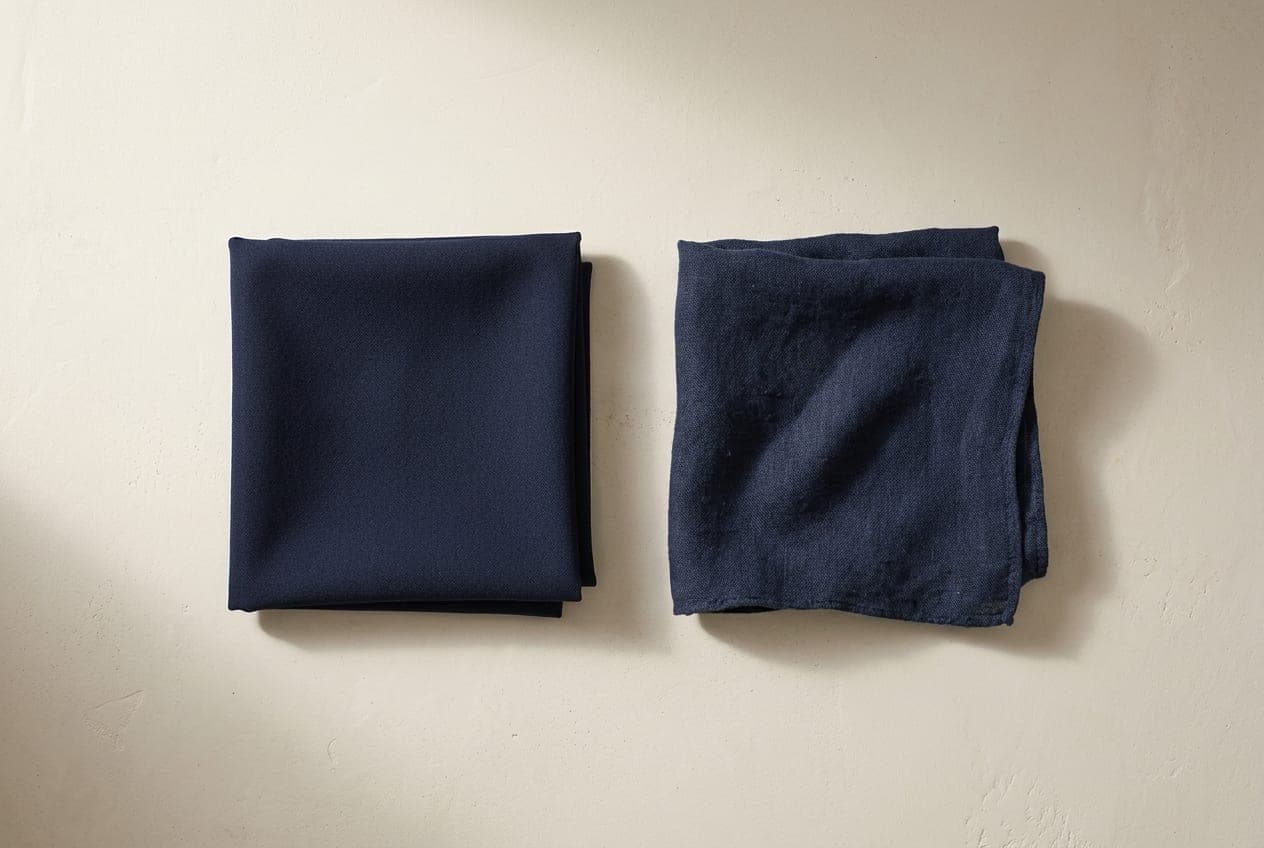
Clothing is given enormously at Christmas and returned more than any other category. Size is the obvious culprit, but it is not the main one — taste and fit preference account for at least as much, and neither is solved by getting the number right.
The workable approach is to give things where size is not the deciding variable.
The categories that work
These are forgiving by construction, and they are what people actually keep.
- Scarves. No size, high perceived value, worn next to the face where a good colour is visible.
- Gloves. Only two or three sizes exist and the range within each is wide.
- Socks, if they are genuinely good ones. A cheap pair is filler; a properly made pair is a small luxury nobody buys for themselves.
- Hats, mostly one size.
- Bags. No sizing at all, and the shape is the only decision.
- Jewellery, other than rings.
- Anything worn loose by design — a wrap, a robe, an oversized cardigan.
The categories that do not
Jumpers, shirts, trousers, dresses, coats and shoes. All are heavily size- and fit-dependent, and all are near the top of the returns statistics.
This is not a rule against buying them; it is a reason to only buy them when you can check first, which usually means either shopping with the person or looking at something they already own.
How to check a size without asking
If you are set on a garment, the reliable method is to look at what they already wear and like.
Find a similar item in their wardrobe and read the label. This gives you the brand's size, which is more useful than a guess, though it does not transfer perfectly across shops — sizing is not standardised, which is the whole subject of why clothing sizes are so inconsistent.
What transfers better than the size label is the measurements: chest or bust, and sleeve length for anything fitted. Measuring a garment they already own and comparing it to a size guide is far more accurate than converting between labels.
Colour is the other half
The gift that gets worn is the one in a colour that suits them, and this is where most well-meant clothing gifts fail quietly. The recipient likes it, thanks you, and does not reach for it.
The useful shortcut is to notice what they already wear near their face. People gravitate to what suits them even without knowing why, so the colours already in their wardrobe are a better guide than the colour you like on them.
If you want to be more deliberate about it, the colour hub explains what makes a shade work for a particular colouring, and the free quiz is two questions if they would find the answer useful themselves.
Avoid: anything very close to a colour they never wear, and anything you have decided they should try. A gift is not the moment.
The receipt is part of the gift
Including a gift receipt is not an admission that you got it wrong. It is the thing that makes the gift usable, and most people are relieved to have one.
Worth knowing before buying: some shops shorten the returns window over the Christmas period rather than extending it, and sale items are frequently excluded. If you are buying in November for December, check that the return period reaches past Christmas — this is the single most common way a well-chosen gift becomes unreturnable.
If in genuine doubt
A gift card for a shop they actually use beats a garment they will not wear, and it is not the failure of imagination it is treated as.
The better version, if you want it to feel less blank: pair a small physical item that cannot be the wrong size — good socks, a scarf, a bag — with the card for the thing they will choose themselves.