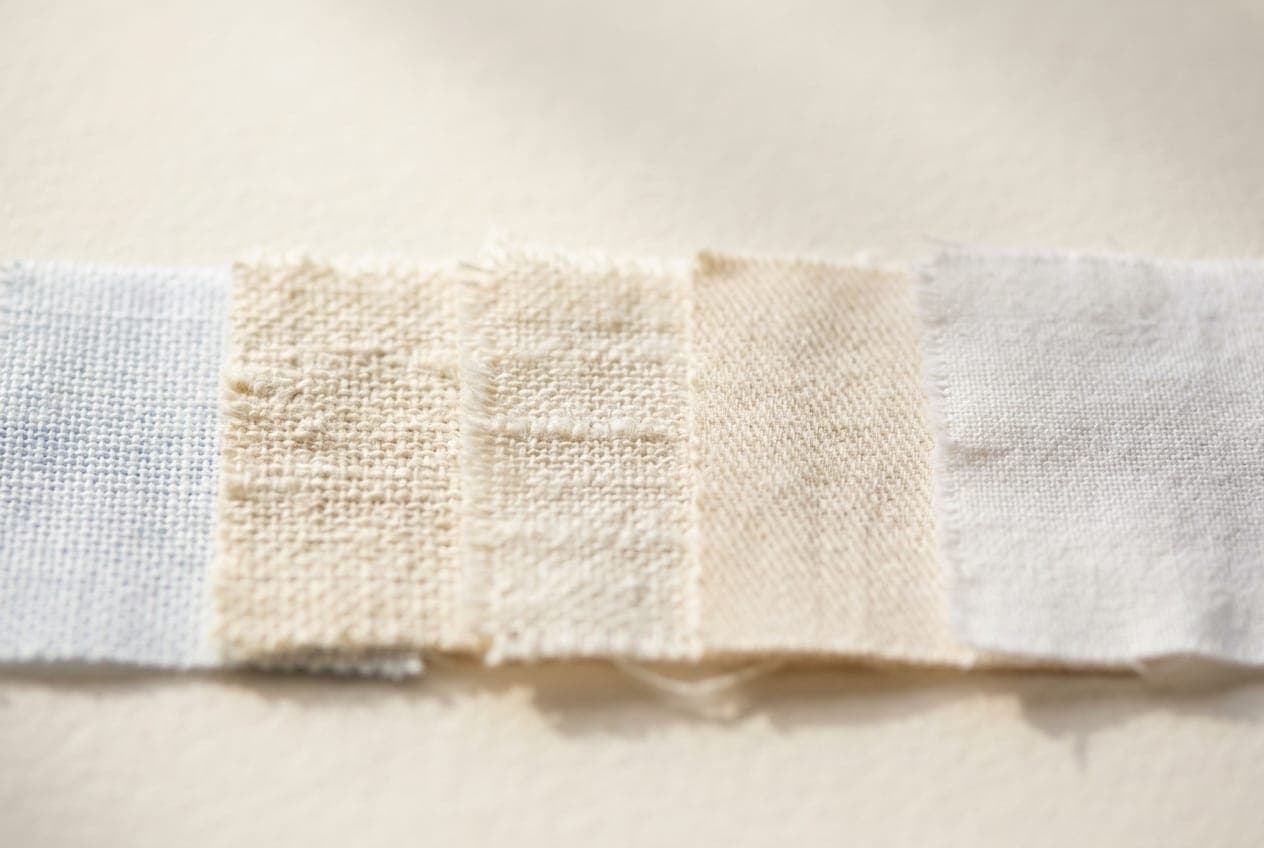
White is treated as a single neutral and it is not. The white you wear sits directly under your face, which makes it one of the most consequential colour decisions in a wardrobe and one of the least considered.
The five whites
Optic white. Pure, cold, slightly blue. The whitest white, and the one used in most shirting and trainers. Crisp and hard.
Soft white. Barely warmed, still clearly white. The most broadly wearable of the five.
Ivory. Warm, with a yellow cast. Softer against the face than anything cooler.
Cream. Warmer and deeper than ivory, edging toward pale yellow.
Ecru and oyster. Greyed or beige-toned whites. Neither warm nor cold, and often the answer for neutral colouring.
Which one is yours
**Cool seasons — Summer and Winter** — want the cold end. Winter is the one season that genuinely wears optic white well, and it is one of its best colours. Summer does better a step softer, in a cool white or oyster, since optic can be a touch harsh against soft colouring.
**Warm seasons — Spring and Autumn** — want ivory or cream. Optic white against warm colouring tends to make the skin look slightly yellow or tired, which is a surprisingly common and rarely diagnosed problem. Spring wants a lighter ivory, Autumn a deeper cream.
Neutral colouring usually looks best in soft white, ecru or oyster.
The test
Two whites, in daylight, held under the chin one after the other.
The wrong white makes your skin look either yellow or grey. The right one makes it look clear. The difference is obvious once you have seen it and almost invisible until you look for it.
Do it with a plain t-shirt or a sheet of paper against a shirt. It takes a minute and it changes what you buy for years.
Where it matters most
Shirting. Nearer your face than anything else. Worth getting right before anything else on this list.
Wedding dresses. The distinction between optic, ivory and cream is well understood in bridalwear precisely because it matters so much at close range and in photographs.
Trainers and t-shirts. Worn constantly, usually bought in optic white by default, and one of the easiest wins available.
Bedding and towels, if you care — they are next to your face in the mirror every morning.
Where it matters less
Below the waist. A white trouser or skirt is far enough from your face that the temperature barely registers. This is the same loophole that applies to any colour — the rules are about what sits near your skin, and they relax considerably lower down.
Whites going grey or yellow
Two different problems.
Yellowing in white cotton is usually detergent residue or heat. Wash cooler, use less detergent, and dry in daylight where you can.
Greying is usually dye transfer from washing whites with colours, or hard water. Washing whites separately fixes most of it.
Avoid chlorine bleach on anything with elastane or on wool — it degrades both and can turn white synthetics permanently yellow.
Finding yours
Which white suits you follows from your season, and the free quiz gets you there in two questions. Every sub-season page names the specific white for that type, along with the neutral that works as your black — the other decision that governs most of a wardrobe.